

Leadership is a quality that is now just considered a job title. This reflects in daily operations and conversations. Coaching and managing both have very different purposes, but equally important leadership approaches. One focuses on guidance, growth and long-term capability, while the other centres on structure, performance and immediate results. Understanding the difference between coaching and managing helps leaders recognise their natural style, avoid common missteps, and respond more effectively to their teams' needs, rather than relying on a single standard approach for every situation.
What is Managerial Leadership Style?
Managing, in practical workplace terms, is about creating order and ensuring work gets done as expected. It is a leadership style that relies on structure, clear processes and defined responsibilities.
Managers plan and allocate tasks, set targets and deadlines, monitor progress, and measure performance against agreed standards. A strong focus is placed on compliance, consistency, and following established policies and procedures.
Communication in management is usually direct and instruction-led, relying on updates to maintain control and minimise uncertainty. A management-driven approach brings stability and predictability to teams. It works especially well in regulated, high-risk, or time-sensitive settings where mistakes can be costly. However, when managing is used in isolation, limitations start to show.
Earlier in my leadership journey, I relied heavily on management because it felt safer and more controlled. Tasks were completed on time, and expectations were clear. Eventually, I noticed that my team rarely took initiative or ownership beyond what was assigned to them. It worked for delivery, but not for growth.
My experience helped me see that managing is essential, but on its own, it can quietly limit both people and potential.
It can lead to micromanagement, reduced initiative, and team members becoming overly dependent on direction. Without space for reflection, long-term growth, creativity and succession planning often take a back seat to short-term delivery.
What is Coaching Leadership Style?
Coaching as a leadership style is centred mainly on development. Instead of directing every action, coaching leaders focus on helping people think for themselves, learn from experience, and grow into their roles. This approach relies heavily on active listening and genuine curiosity about how others see challenges.
In practice, coaching conversations look very different from traditional management discussions. Leaders ask questions and encourage individuals to reflect, solve problems, and set their own goals.
Taking a coaching approach feels uncomfortable at first, when you let others work while stepping back. I still sometimes worry about losing control, but it surprises me how much people grow when you put all your trust in them. They became more confident, made better decisions, and relied less on me for answers.
Coaching works best when supported by clear goals and structure, not as a replacement for them.
The Changing Expectations of Leadership in Modern Workplaces
In modern workplaces, leadership expectations have changed because people now want more than clear instructions and job security. They want trust, flexibility, and opportunities to grow. Hybrid work has reduced direct supervision, so leaders can no longer rely on control alone.
It is now clear that leaders need to support development and motivation to address skill shortages and employee retention. In such an environment, a purely directive style often feels limiting and can reduce engagement.
This shift has moved leadership away from authority-based models towards a more people-centred approach. Teams perform better when leaders build trust, create psychological safety, and involve people in decisions. Influence now matters more than job titles. When leaders support growth and listen to their teams, it improves performance naturally.
Psychological Safety
Identifying your natural leadership tendencies starts with honest self-reflection. This means paying attention to how you show up in everyday situations rather than how you think a leader should behave. Pressure moments are often the clearest indicators to notice whether you become more controlling or more curious when things go wrong. These patterns reveal your default leadership style more clearly than any formal assessment.
Your leadership style is also shaped by experience and organisational culture. Past managers, leadership training and workplace expectations often influence what feels "normal" or acceptable. This helps you recognise what is truly your natural tendency from what you have adapted to fit your organisation, giving you greater clarity and choice in how you lead.
Conclusion
Effective leadership is about understanding when each approach is needed and how to balance them. Management ensures structure, accountability and short-term results; coaching brings out growth, autonomy and long-term capability of employees. Modern workplaces demand leaders who can fluidly move between these styles, adapting to both the task at hand and their team's individual needs. By reflecting on your natural tendencies, you can create an environment where people feel supported and motivated to perform at their best.
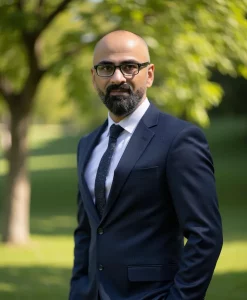
About Iqbal Ahmad
My name is Iqbal Ahmad (SFHEA). I hold various postgraduate qualifications, including but not limited to ACCA (Association of Chartered Certified Accountants), CIMA (Chartered Institute of Management Accountants) and MBA (Master of Business Administration). I have been involved in leadership training for over fifteen years and have mentored various leaders both within my organisation and in the capacity of a corporate trainer. I am also honoured to be a Senior Fellow of the Higher Education Academy (SFHEA).