

Leadership training connects with organisational culture transformation by changing leaders’ thinking, acting, and influence on others. Communication is an important part of a leader’s daily life; it helps build trust and leads teams with empathy. I think people learn from leaders, and having a positive attitude passes that behaviour forward. This reshapes everyday interactions, shared values, and creates a culture that represents the organisation’s vision and purpose.
What is the Link Between Leadership and Organisational Culture?
I have always taken a side with leadership training to improve organisational culture. They reflect each other. The way leaders communicate, make decisions, and respond to challenges quietly defines what people believe is acceptable at work. I have noticed that a leader’s every habit sets the tone for the entire team.
Leaders must prioritise honesty and respect to ensure that the organisation adopts these values. According to research by Gartner, 80% of employees believe that leadership has the greatest influence on company culture, which includes both what leaders say and how they behave.
A company’s culture grows in the image of its leaders, whether they realise it or not.
What Leadership Training Actually Teaches Beyond Skills?
A good leadership training goes beyond learning how to manage tasks and people in the workplace effectively. it teaches self-awareness by reflecting on your behaviour and how it affects others.
In my experience, good leadership training goes far beyond learning how to manage tasks or people. It teaches self-awareness, understanding how your behaviour affects others. I have seen leaders transform because they learnt to listen, pause, and respond with empathy.
Leadership training also builds emotional intelligence. It helps people recognise tension early, handle conflict with respect, and create a sense of safety where others can speak openly. These are not technical skills; they are human ones that make your team trust you.
Another thing it teaches is adaptability. Every organisation change, and strong leaders learn to stay calm and flexible when everything around them shifts. The best training reminds you that leadership is not about control; it is about building connections and opportunities for growth of you and your team.
How Leadership Training Drives Culture Transformation?
Leadership training shapes how people think, act, and work together. It creates leaders who can influence values, communication, and behaviour across the organisation, turning leadership growth into lasting cultural change.Building Self-Awareness First
I have learned that real culture change begins with self-awareness. Leadership training helps you recognise your strengths, biases, and blind spots. When I learned to understand my behaviour, it made me aware of making more intentional decisions and interactions.
Learning to Model the Right Behaviours
People watch what leaders do more than what they say. With time, I have realised that consistency matters more than speeches. When I practise transparency, respect, and accountability, others follow the same values. That’s how behaviour spreads and becomes culture.
Communicating with Clarity and Empathy
Proper training helps individuals listen more effectively and speak with purpose. If you focus on how words affect morale and motivation. Open, empathetic communication builds trust faster than any policy. It also encourages people to share ideas and concerns without fear.
Encouraging Ownership Across Teams
Culture grows stronger when everyone feels a sense of responsibility for it. Leadership training teaches the importance of delegating meaningfully, rather than just assigning tasks. I involve my team in decisions and recognise their contributions. These builds shared ownership and collective pride in our work.
Sustaining Change Through Reflection and Feedback
Transforming culture is not a one-time effort. I have learned to utilise feedback loops to measure progress and adjust my actions accordingly. Reflection helps me identify what’s working and what’s not.
What is the Long-Term Impact of Leadership Development on Organisational Culture?
Leadership development has a lasting effect on how people think and behave within an organisation. It modifies the mindset and attitude of teams over time.
When leaders are self-aware, communicative, and supportive, those behaviours spread naturally. Employees begin to mirror the same openness and accountability. Over time, this creates a culture built on trust, collaboration and shared purpose.
The long-term impact is stability. Even as people or circumstances change, the culture remains strong because leadership values are deeply rooted in everyday actions and decisions.
Employee mobility within the organisation keeps the continuity. It retains them, keeping the teams stable. This stability shows up in performance and customer satisfaction.
Conclusion
Leadership training is a foundation for how an organisation thinks, feels, and behaves. It tends to turn ordinary managers into thoughtful leaders who shape trust, communication, and accountability across teams. When leaders grow, culture evolves with them. The lessons of self-awareness, empathy and adaptability influence every conversation and decision. Over time, these small shifts in leadership behaviour transform the entire organisation into a place where people feel valued, connected, and inspired to do their best work.
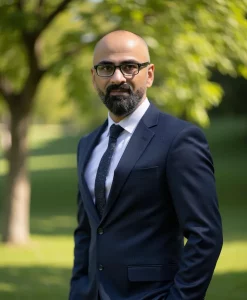
About Iqbal Ahmad
My name is Iqbal Ahmad (SFHEA). I hold various postgraduate qualifications, including but not limited to ACCA (Association of Chartered Certified Accountants), CIMA (Chartered Institute of Management Accountants) and MBA (Master of Business Administration). I have been involved in leadership training for over fifteen years and have mentored various leaders both within my organisation and in the capacity of a corporate trainer. I am also honoured to be a Senior Fellow of the Higher Education Academy (SFHEA).