

Building an inclusive workplace is a necessity of current workforce. Having people with diverse backgrounds brings a range of perspectives to the organisation. But the main characteristic of building an inclusive workplace is creating a safe space for employees. In such an environment, individuals feel confident, respected, supported and have the ability to contribute meaningfully, delivering real value to the organisation.
An inclusive workplace requires intentional leadership, fair policies and consistent behaviour that encourage participation and promote a sense of belonging across the organisation.
What is an Inclusive Workplace?
An inclusive workplace is one where employees from all backgrounds have equal access to opportunities, support and fair treatment. It also focuses on how people experience the workplace, not just who is present within it.
As a CEO myself, I have seen first hand that an inclusive workplace is about how employees feel on a day-to-day basis. Inclusion shows up in simple things: how we listen, how we make decisions, and how we support each other. Policies matter, but work culture matters more. When employees feel safe, respected, supported and able to contribute, the organisation performs better.
To make effective inclusion, it must be embedded across the organisation rather than treated as an HR-only responsibility. Even though HRs support inclusive policies and frameworks, real inclusion is shaped by leadership behaviour and consistent actions at every level. When inclusion is shared responsibility, it becomes part of how the organisation operates, not a separate initiative.
What is the Relationship Between Diversity and Inclusion?
Diversity and inclusion are closely related. Diversity refers to the range of differences within a workforce, such as background, identity, experience, and perspective. Inclusion is about what happens after people are hired. It determines whether diverse employees feel heard, supported, and empowered to contribute. An organisation can be diverse without being inclusive, but it cannot be truly inclusive without diversity.
Core Principles of Inclusive Workplace Culture
Core principles of inclusive workplace culture define how employees interact, make decisions, and feel valued. The core principles of inclusive work culture are equity, psychological safety, respect of diversity and inclusive leadership. These principles guide everyday behaviours, leadership actions and organisational practices, creating an environment where everyone can thrive and deliver their best.
Equity
Equity means treating all employees consistently and recognising that different people need different support to succeed in life. To ensure equity, the following are the measurements that can be taken.
- Transparent hiring and promotion processes.
- Pay equity audits to ensure compensation is fair across gender, race, cultural backgrounds and other identities.
- Providing accommodations (like flexible schedules or assistive technology) so everyone has equal access to opportunities.
Psychological Safety
Psychological safety means employees can speak up, share ideas, or admit mistakes without fear of punishment. Employees are more likely to contribute authentically when they feel safe and included. This drives creativity, better teamwork and higher engagement. Simple gestures, such as recognising milestones, active listening, celebrating achievements and encouraging open dialogue, can go a long way.
Respect for Diversity
Respecting diversity means acknowledging differences in background. This includes valuing employees' identities, thoughts, experiences, and backgrounds. It is about seeing diversity as a strength, not a box to tick.
Diverse teams provide varied perspectives that improve problem-solving and innovation. Training on anti-discrimination policies and actively seeking diverse voices ensures these differences are recognised and celebrated.
Inclusive Leadership
Leaders play a critical role in shaping culture. Inclusive leadership means managers and executives actively create environments where all voices are heard and valued. When leadership models inclusion through mentoring, seeking input from diverse team members and being accountable, employees are more likely to follow suit. Culture starts from the top, and visible commitment from leaders makes inclusion real.
What are the Common Challenges faced When Building an Inclusive Workplace?
A few of the most common challenges that organisations face while building an inclusive workplace are as follows.
- Subtle biases in hiring, promotions, and everyday interactions that go unnoticed.
- Employees or leaders who are comfortable with the status quo may resist new inclusion initiatives.
- Diversity efforts exist only on paper without real action or impact.
- Policies exist, but they are applied unevenly or inconsistently.
- Employees and managers may not understand what inclusion means or how to practise it.
- Employees may hesitate to report discrimination or share ideas due to a lack of psychological safety.
- Focusing on hiring diverse talent without creating a welcoming, supportive environment.
Conclusion
Building an inclusive workplace is a responsibility which requires continuous effort. It requires consistent leadership, fair systems, and everyday behaviours that make employees feel safe, valued, and supported. When inclusion is embedded into workplace culture, organisations benefit from stronger engagement, better collaboration, and meaningful contributions from their people. When inclusion becomes part of the system, it shows in an organisation's operations and growth.
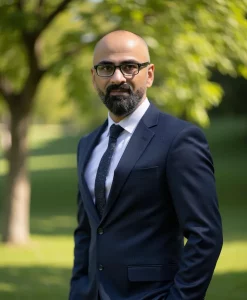
About Iqbal Ahmad
My name is Iqbal Ahmad (SFHEA). I hold various postgraduate qualifications, including but not limited to ACCA (Association of Chartered Certified Accountants), CIMA (Chartered Institute of Management Accountants) and MBA (Master of Business Administration). I have been involved in leadership training for over fifteen years and have mentored various leaders both within my organisation and in the capacity of a corporate trainer. I am also honoured to be a Senior Fellow of the Higher Education Academy (SFHEA).